January 2, 2024 by Nick
What Should I Do About Frozen Pipes
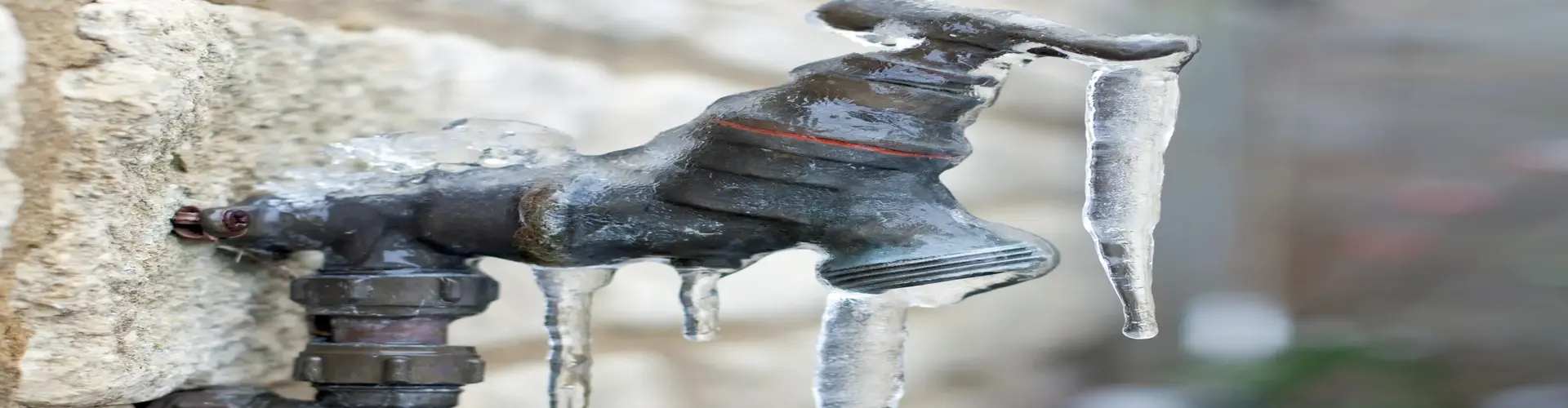
During the colder months of a New York winter, frozen pipes can be a real concern. It is not only about the pipes freezing and you not having water. The bigger issue is when the pipes burst, causing all levels of havoc and damage to your home.
Understanding Frozen Pipes
When the temperature drops below freezing, the water inside the pipes can freeze, causing them to become blocked. Frozen pipes are more common in climates where temperatures regularly get below freezing, such as parts of western Europe and the United States. It’s important to understand that not all pipes are equally prone to freezing. Different pipe materials have varying vulnerability levels to freezing, with copper pipes, stainless steel pipes, and PVC pipes being particularly susceptible.
Types of Pipes Prone to Freezing
- Copper pipes are particularly susceptible to freezing due to their material.
- Uninsulated pipes, especially in cold areas, are prone to freezing.
- Plastic pipes like PVC and PEX can also freeze under very low temperatures.
- Galvanized steel pipes are at risk of freezing if not adequately protected.
- Different pipe materials have varying vulnerability levels to freezing.
Signs of Frozen Pipes
It’s crucial to recognize the signs of frozen pipes early on to prevent further issues. One of the most common signs is reduced or no water flow from the faucet, indicating a blockage. You may also notice frost on visible pipes, especially in colder areas of the house like the basement, crawl spaces, or bathroom. Another indicator of frozen pipes is the absence of cold water supply in the kitchen sinks or the faucet. If you detect any of these signs, it’s essential to take action promptly to prevent further freezing and potential pipe bursts.
How You Can Prevent Frozen Pipes
Taking the time to implement these preventative steps can positively help you avoid frozen pipes, which could be a costly situation. The Insurance Information Institute reports water damage is one of the most common and costliest disasters your home.
Prior to the cold weather:
• Insulate your pipes. Any pipes on exterior walls or in unheated areas (such as crawl spaces, garages, basements, or attics) especially need attention. Piping insulation favorites are rubber, fiberglass, and foam.
If this is not something you would prefer to do yourself, call one of our knowledgeable Tony LaMartina Plumbing plumbers to come out and either advise you or insulate the pipes for you.
• Turn off your outside spigots. Prior to the thermometer dropping during lower temperatures, turn off your inside water shut-off valve that provides water to your outside spigots, or hose bibbs. Now drain each line—open the spigot until it stops dripping—then turn off the spigot.
To further protect the outdoor spigot from freezing temperatures, acquire a super-simple-to-install foam dome cover.
During subfreezing temperatures:
• Turn on your faucets. Including your showers and tubs, turn all your faucets on to ensure a trickle of room-temperature water, especially throughout the nights. If the day’s temperature readings remain subfreezing, keep the water running. The continual movement of water in the pipes will help prevent icing.
• Set your house temperature to at least 55 degrees Fahrenheit both day and night. Never go lower, but do go higher. The higher the better if your Clayton home is not well insulated.
• Keep your garage and outside doors closed. Locate any drafts you might have inside and do what you can to block them.
• Open all your doors inside. This allows better heat flow throughout every room. Additionally, it can help keep walled-in pipes warmer.
• Open your cabinets. Keeping your under-sink kitchen and bathroom cabinets open permits warm air flow to reach your plumbing.
• Use a space heater. Under your vigilant supervision, you could utilize a space heater where pipes are located on an outside wall or if you previously had frozen pipes at that spot.
Potential Damage and Risks
- Burst pipes from freezing can flood properties and cause structural damage.
- Water damage resulting from frozen pipes can lead to mold growth.
- Frozen pipes pose risks of property destruction and financial losses.
- Undetected frozen pipes can result in significant repairs and renovations.
- Recognizing the potential damage of frozen pipes highlights the importance of prevention.
When to Call a Professional:
While you can take initial steps to deal with frozen pipes yourself, there are situations where it’s best to call a professional plumber for assistance:
• If you’re unable to locate the frozen area, a plumber can use specialized equipment to identify the problem and address it effectively.
• If multiple pipes throughout your home are frozen, it could indicate more significant issues with your plumbing system that require professional expertise.
• If a frozen pipe has burst, it’s crucial to immediately contact a professional plumber to minimize water damage and begin the repair process.
• Complex thawing situations, such as underground pipes or hard-to-reach areas, may require the skills and equipment of a licensed plumber.
A professional plumber can provide long-term solutions, ensuring that the issues causing the pipe freezing are addressed effectively, reducing the risk of future incidents.
Mike, plumbing expert