FURNACE TUNE-UP/REPAIR
Furnace tune-up and repair services are essential for maintaining the efficiency, reliability, and safety of residential heating systems. Regular maintenance helps ensure that the furnace operates optimally, providing a comfortable and warm environment during colder months. Here’s a more in-depth exploration of furnace tune-up and repair services:
Inspection and Assessment:
Safety Check: Professional technicians conduct a thorough inspection to ensure that the furnace is operating safely. This includes checking for gas leaks, carbon monoxide levels, and the condition of the heat exchanger.
Combustion Analysis: Technicians analyze the combustion process to optimize fuel efficiency and reduce emissions. Adjustments may be made to improve combustion and overall system performance.
Cleaning and Lubrication:
Burner and Heat Exchanger: Technicians clean the burners and heat exchanger to remove soot, debris, and any buildup that can affect combustion efficiency. Clean surfaces promote better heat transfer and prevent potential safety hazards.
Blower Motor and Components: The blower motor, fan blades, and other components are cleaned and lubricated to ensure smooth operation. Proper lubrication reduces friction, minimizes wear and tear, and extends the lifespan of these critical parts.
Airflow Optimization:
Air Filters: Technicians inspect and replace air filters as needed. Clogged or dirty filters can impede airflow, reducing efficiency and putting strain on the system. Regular filter replacement improves indoor air quality and furnace performance.
Ductwork Inspection: The condition of the ductwork is assessed to identify any leaks, blockages, or insulation issues. Proper airflow is crucial for distributing heat evenly throughout the home.
Thermostat Calibration:
Calibration: Technicians check and calibrate the thermostat to ensure accurate temperature control. This helps prevent energy waste and ensures that the heating system responds appropriately to temperature settings.
Electrical System Inspection:
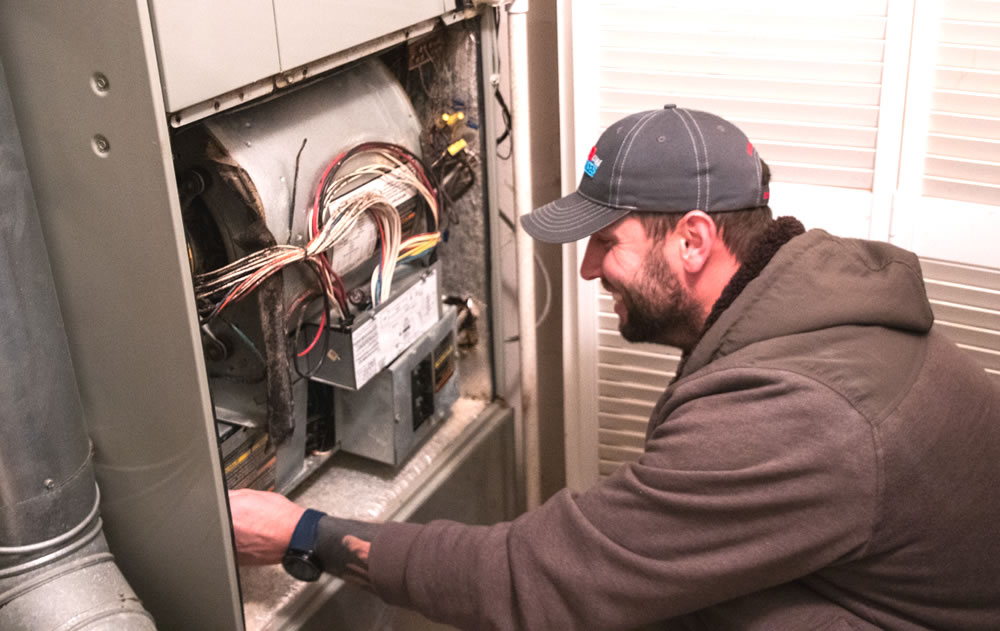
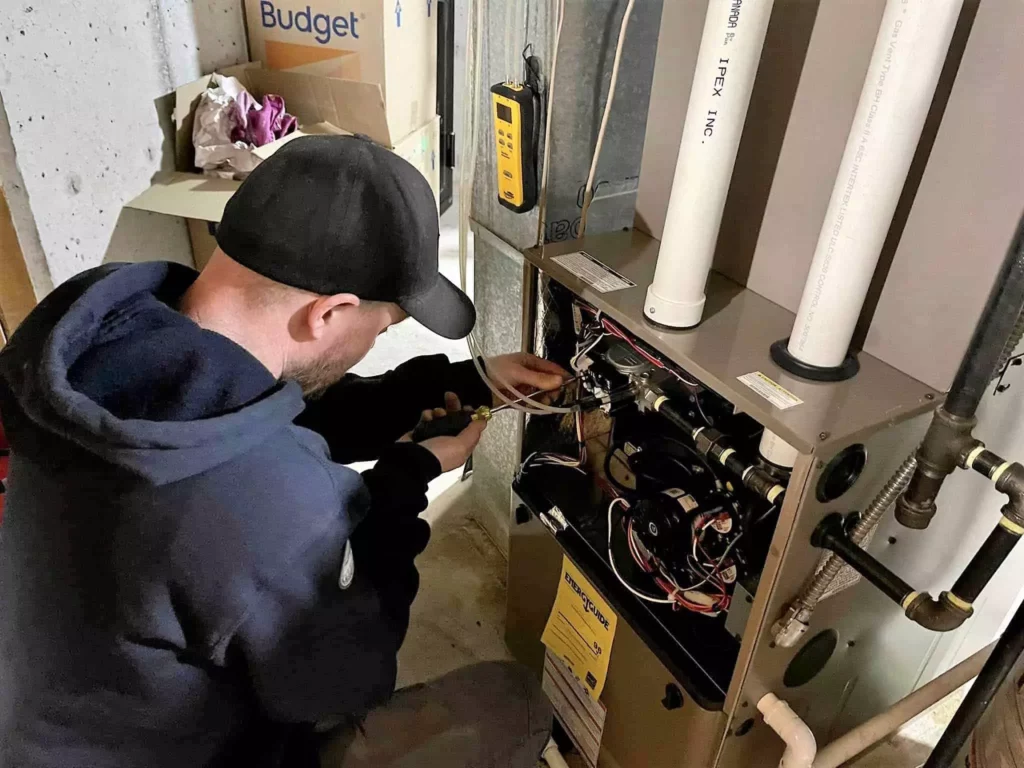
Wiring and Connections: Technicians inspect all electrical components, including wiring and connections, to identify any signs of wear, corrosion, or potential electrical issues. Tightening connections and replacing faulty components enhance safety and reliability.
Ignition and Pilot System Check:
Ignition System: For furnaces with electronic ignition, technicians ensure proper functioning and address any issues to prevent ignition failures. For older models with pilot lights, the pilot assembly is inspected, and adjustments are made as necessary.
Flame Sensor Inspection: The flame sensor is inspected and cleaned to ensure it can accurately detect the presence of a flame. A clean and functioning flame sensor contributes to reliable ignition.
Efficiency and Performance Testing:
Gas Pressure and Burner Efficiency: Technicians measure gas pressure and assess burner efficiency to optimize combustion. This process helps improve energy efficiency and reduces the environmental impact of the heating system.
Temperature Rise: The temperature rise across the furnace is measured to ensure it falls within the manufacturer’s specifications. This test helps identify issues with airflow or heat exchange.
Maintenance Tips: Technicians often provide homeowners with tips on routine maintenance tasks they can perform, such as regularly changing air filters and keeping the area around the furnace clear of debris.
Usage Recommendations: Homeowners are educated on proper furnace usage and temperature settings to maximize efficiency and comfort. In conclusion, furnace tune-up and repair services are comprehensive and cover various aspects of the heating system. These services not only address immediate concerns but also contribute to the longevity, efficiency, and safety of the furnace, ensuring reliable performance throughout the heating season. Regular maintenance is a proactive approach to preventing breakdowns, reducing energy consumption, and promoting a comfortable indoor environment.